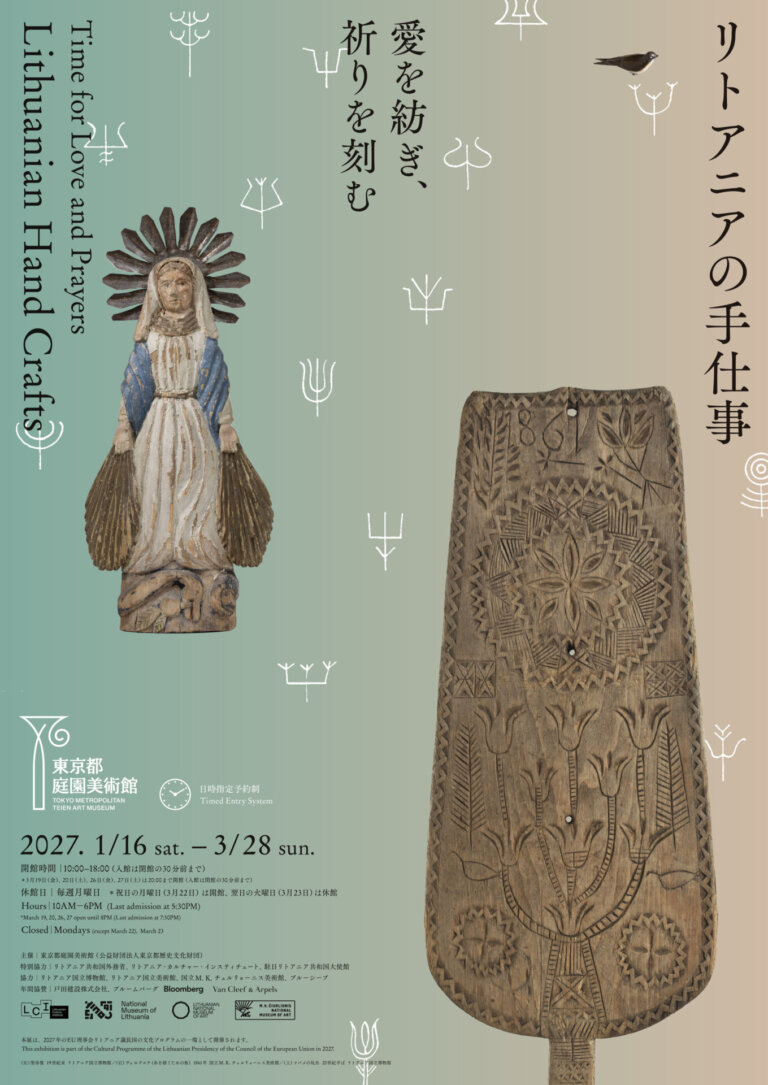
This is the first exhibition in Japan to showcase the wide variety of handcrafts in Lithuania. It is mounted in cooperation with the National Museum of Lithuania, the Lithuanian National Museum of Art, and the M. K. Čiurlionis National Museum of Art.
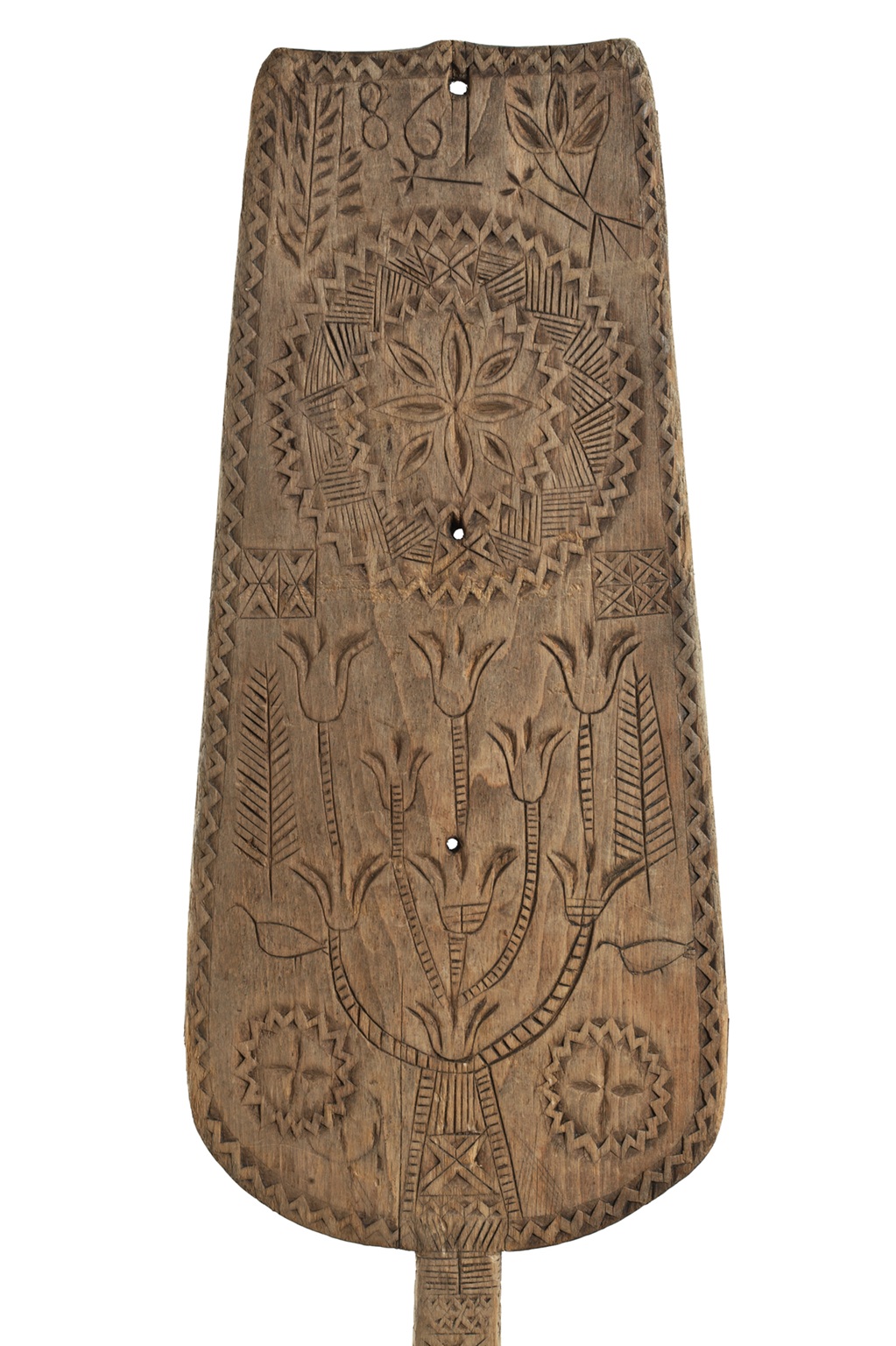
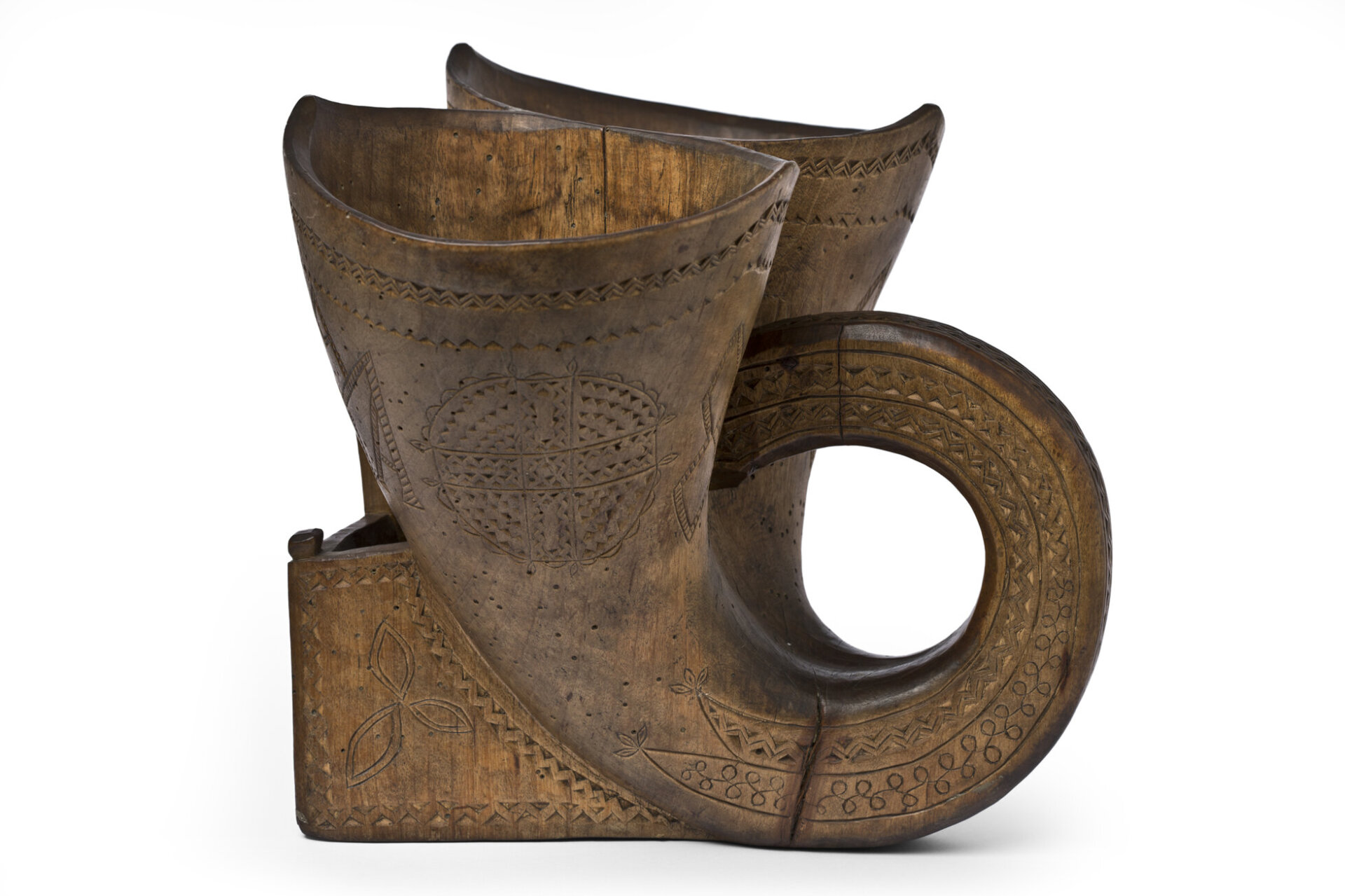
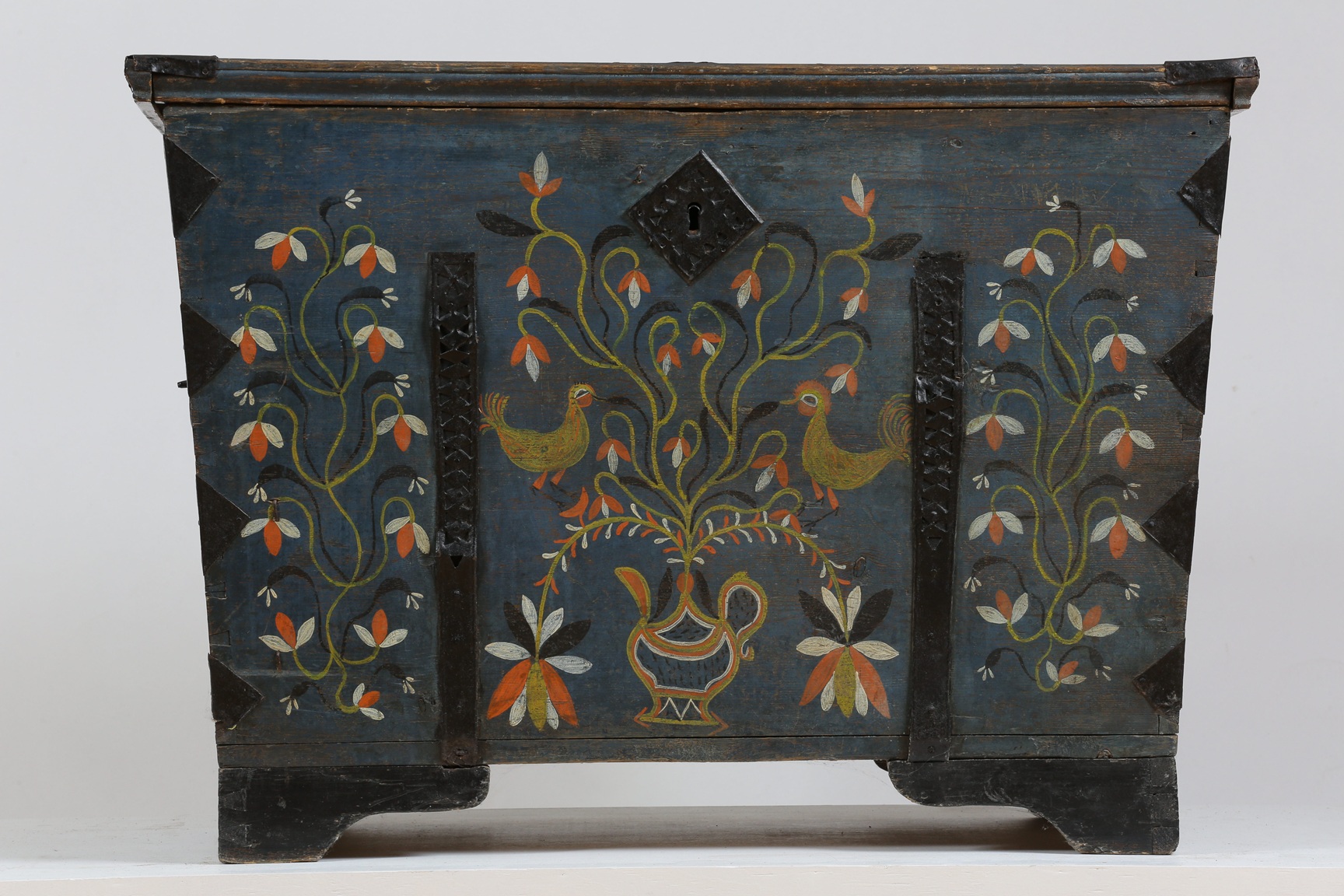
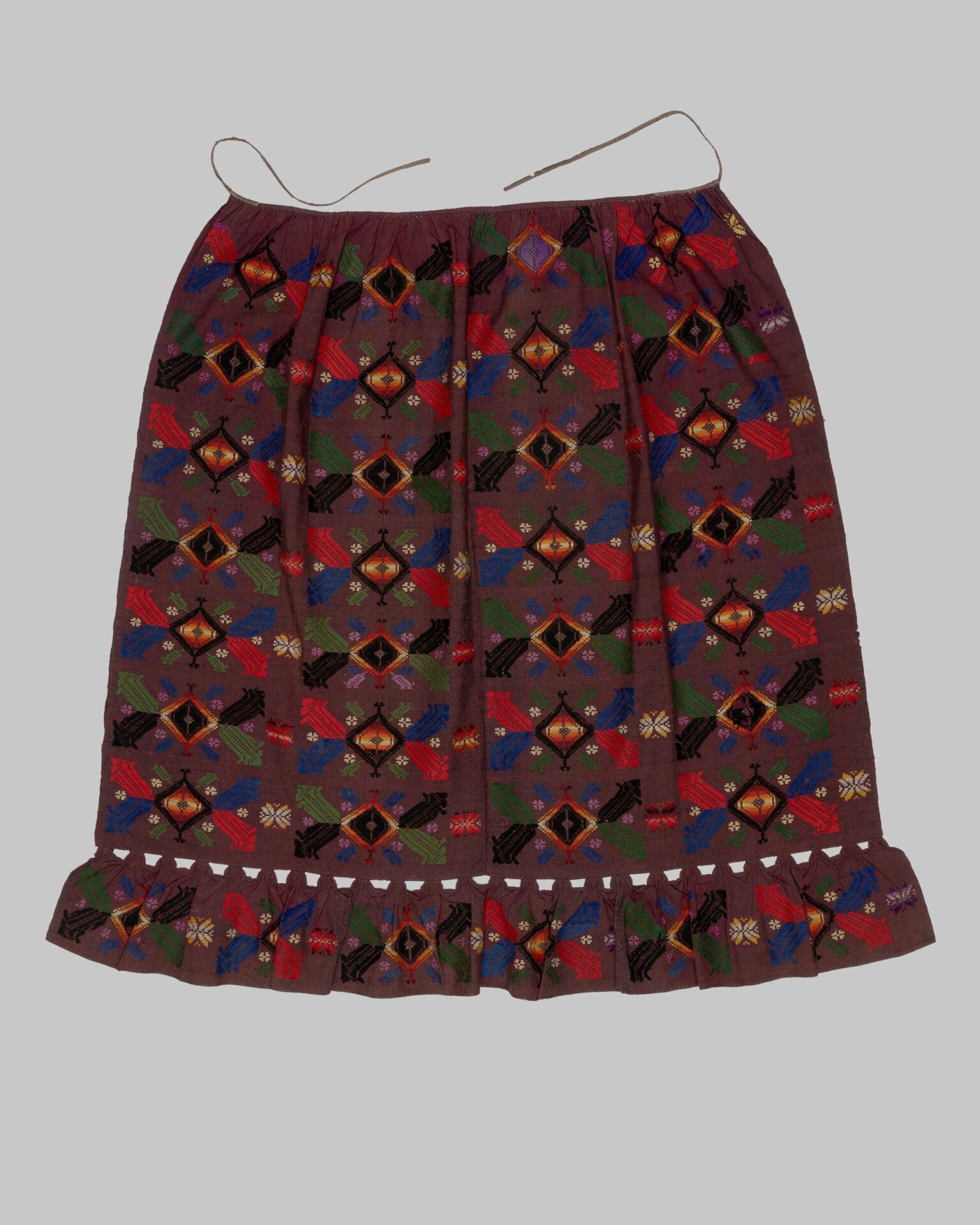
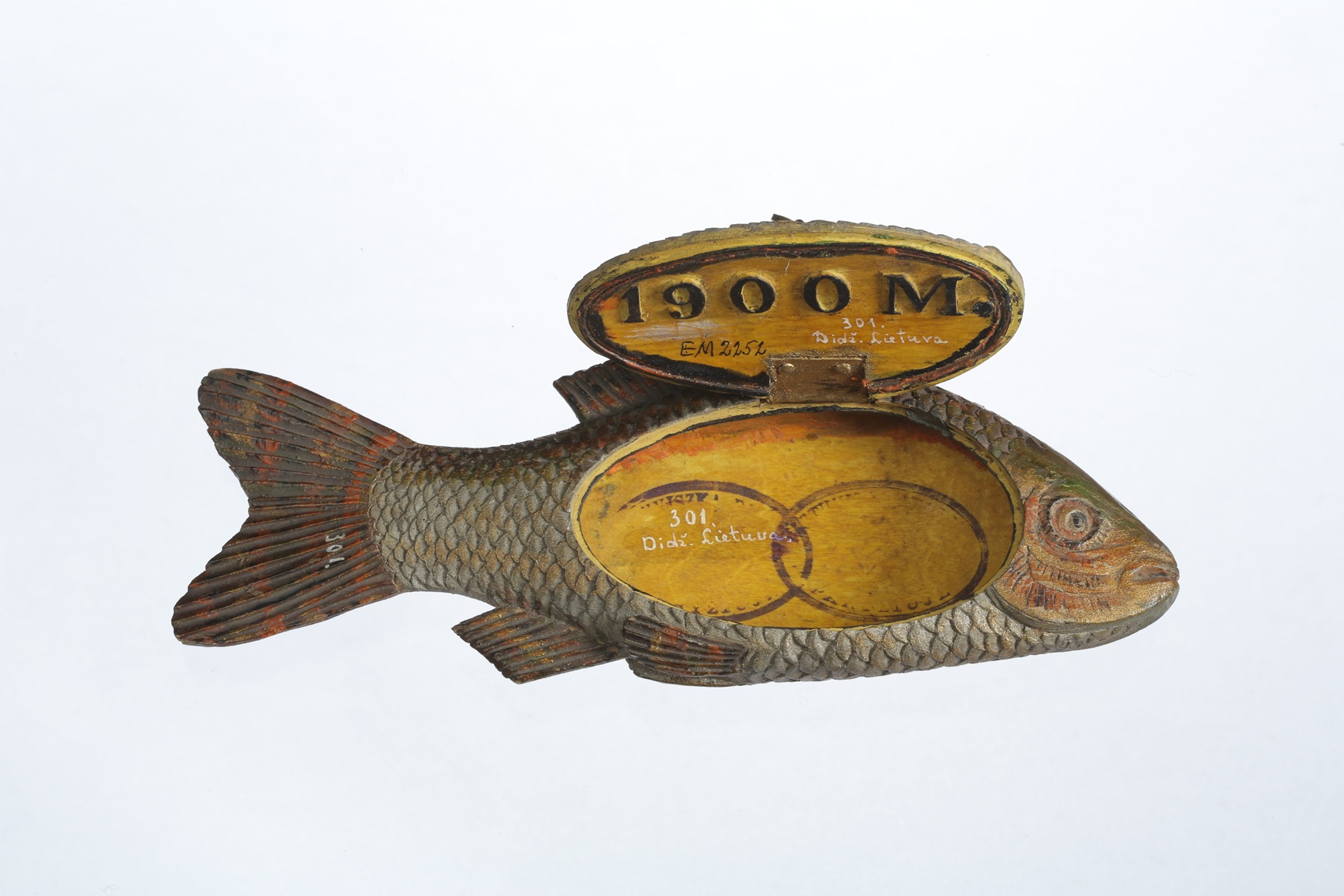
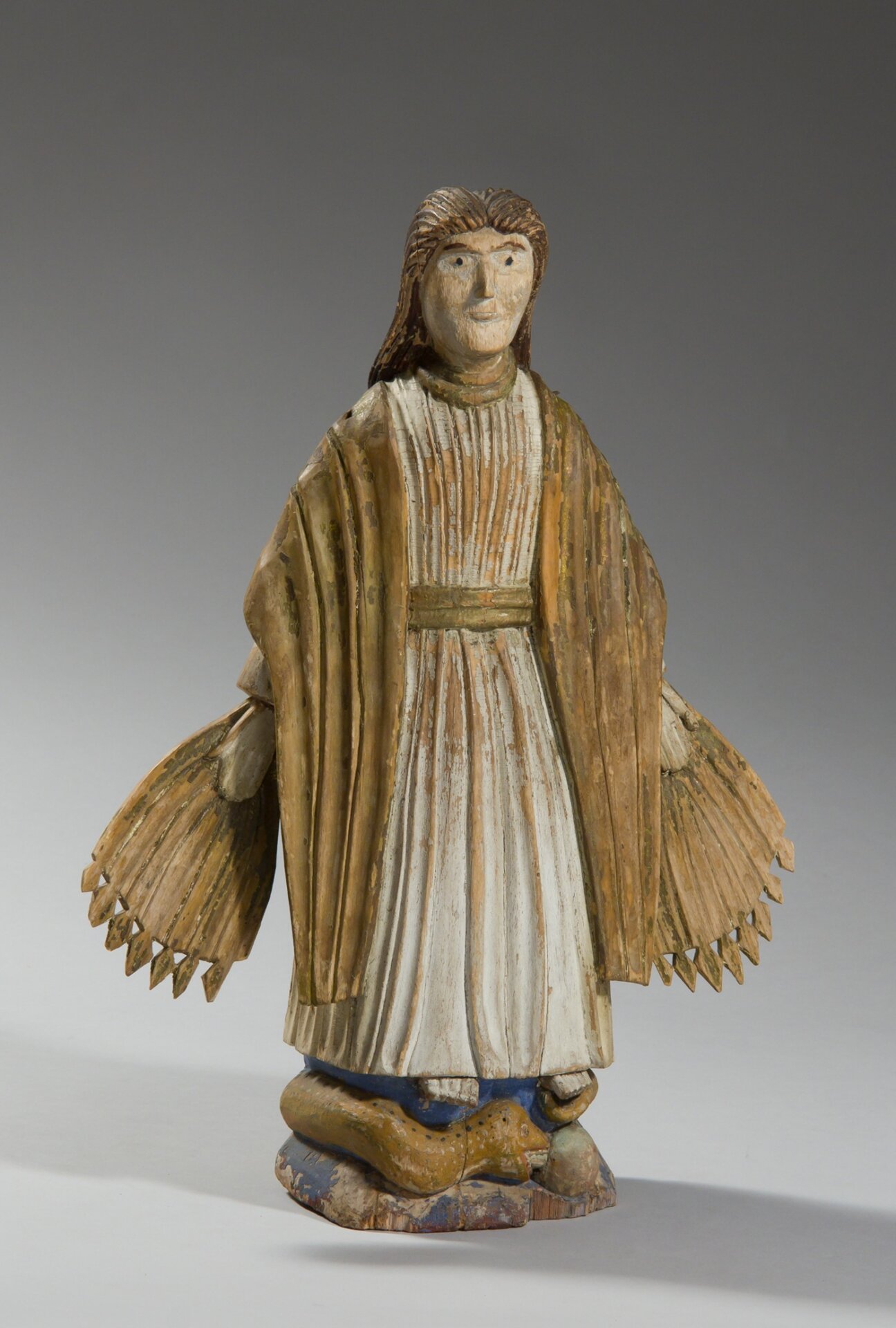
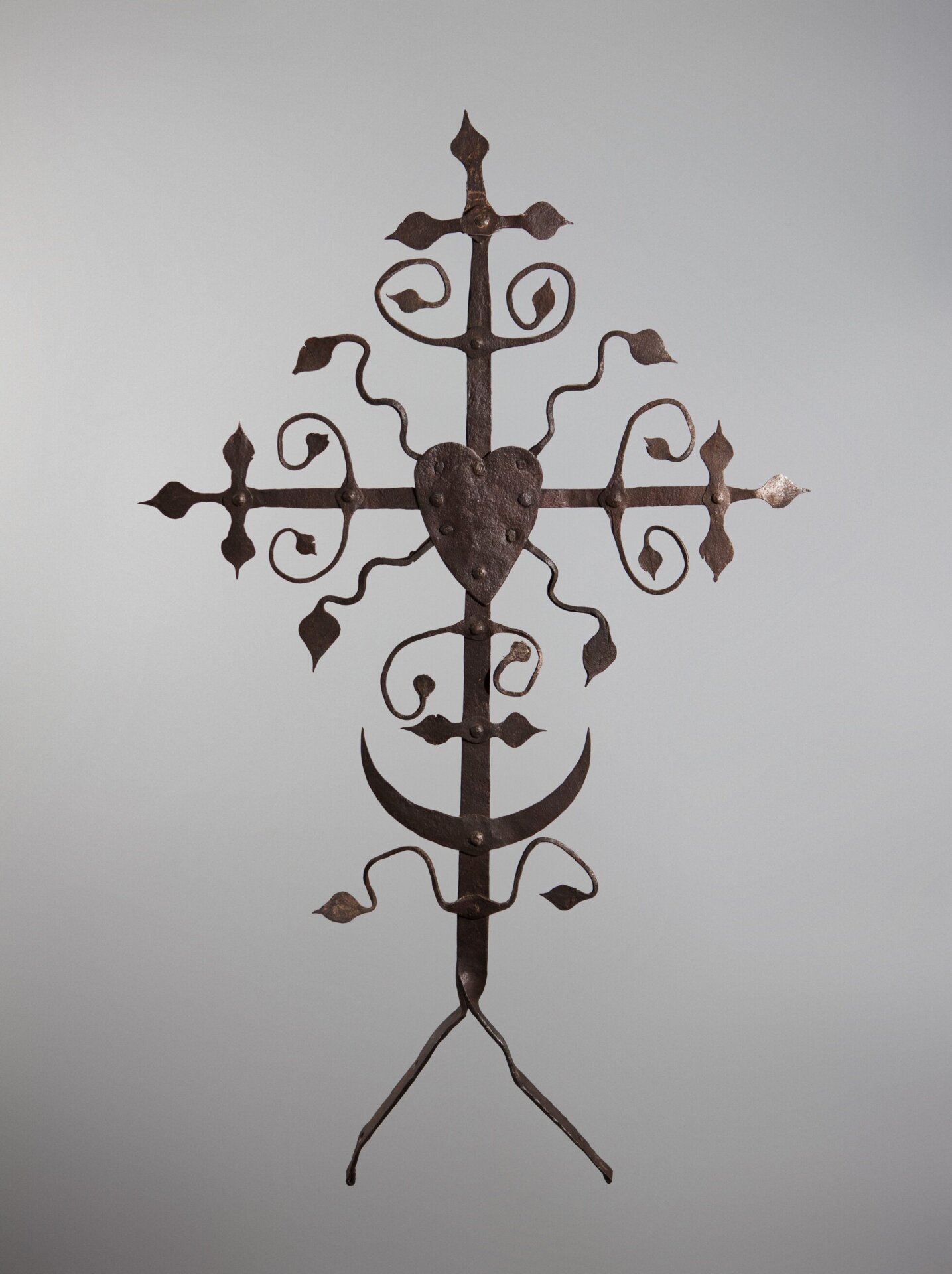
Objects from everyday life (verpste: distaffs for spinning fiber, textiles such as aprons and linens, wooden objects including chairs and towel racks, ceramics, and wicker baskets) and a wide variety of items rooted in faith (crosses, sculptures, and prints) will be brought together in one place. Lithuania was one of the last countries in Europe to adopt Christianity, and in these handcrafted decorations and Christian crosses and figurines we can glimpse the worldview of the ancient Baltic people who found the cycle of life in animals and other living things. Lithuanians have repeatedly fallen under the rule of other countries, and their language was even suppressed at times. Under such circumstances, people cherished each day and prayed for peace.
The Former Residence of Prince Asaka (now Main Building of the Tokyo Metropolitan Teien Art Museum) serves as the venue for this exhibition. It was inspired by the 1925 International Exposition of Modern Decorative and Industrial Arts and it is a premier example of Art Deco architecture in Japan. This building represents the very essence of modern industrial technology and the decorative arts. When simple, handcrafted works from the hands of unknown artisans are arrayed in this setting, disparate eras, disparate cultures, and disparate values converge in a single space.
The handcrafts of the Lithuanian people have been passed down for generations for use in their everyday lives, for the people they love, and for their prayers. Experiencing up close the spirituality that manifests in these forms gives us an opportunity to reconsider the meaning of abundance.
This exhibition is part of the Cultural Programme of the Lithuanian Presidency of the Council of the European Union in 2027.